



What Dog Guardians Should Know About Beransa / Librela
If your dog has been diagnosed with osteoarthritis, you may have heard about Librela (known as Beransa in Australia) — a relatively new injectable treatment designed to help manage pain.
For some dogs, this medication appears to provide meaningful relief. However, as its use has become more widespread, questions and concerns have also been raised by pet owners and veterinary professionals worldwide.
This article is intended to share emerging information and perspectives so you can have informed conversations with your veterinarian about your dog’s care.
Why are some pet guardians concerned?
Since its introduction, there has been a noticeable increase in post-market adverse event reporting — meaning side effects reported after the product became widely used in real-world settings.
As outlined in this information summary, some commonly raised concerns include:
• Reports of neurological symptoms such as wobbliness or weakness
• Changes in mobility or sudden deterioration
• Behavioural changes or unusual distress
• Guardians feeling they were not fully informed of potential risks
It’s important to understand that:
👉 Adverse event reports do not prove the medication caused the issue
👉 Many dogs receiving treatment are older and may already have underlying conditions
However, these reports can act as an early signal that further investigation and caution may be warranted.
Reported side effects: what’s being discussed?
Based on global reporting systems and owner experiences, the following have been reported after treatment:
More commonly reported signs
• Lethargy
• Increased thirst and urination
• Urinary incontinence
• Vomiting or diarrhoea
• Reduced appetite
• Behavioural changes
Neurological and mobility-related signs
• Loss of coordination (ataxia)
• Weakness or collapse
• Difficulty walking or standing
More serious reported outcomes
• Seizures
• Severe neurological decline
• Immune-related reactions
• Death or euthanasia (reported in some cases)
Again, these are reported associations, not proven cause-and-effect relationships.
What does the research say?
Clinical trials conducted prior to approval showed improvements in pain scores for some dogs.
However, as highlighted in broader discussions:
• Trials were relatively short-term
• Real-world use often reveals effects not seen in controlled studies
• Ongoing monitoring is a normal and important part of any new treatment
This gap between trial data and real-world experience is not unusual in veterinary medicine, but it does reinforce the importance of informed decision-making.
Legal action and public discussion
There has been legal action initiated in the United States relating to Librela, with allegations around safety communication.
These cases are ongoing and:
• Have not resulted in final rulings on product safety
• Do not constitute proof of wrongdoing
However, they do reflect the level of concern being raised by some pet guardians.
Questions worth asking your veterinarian
Before starting or continuing treatment, you may wish to discuss:
• What benefits can realistically be expected?
• What risks have been reported, even if rare?
• Is my dog at higher risk due to age or existing conditions?
• What signs should I monitor after treatment?
• What alternatives are available?
The importance of monitoring
If your dog receives this type of treatment, it’s important to monitor closely after each injection.
Seek veterinary advice promptly if you notice:
• Changes in mobility
• Weakness or collapse
• Seizures
• Behavioural changes
• Loss of bladder control
• Vomiting or refusal to eat
Early attention can make a significant difference.
A broader perspective: exploring all options
One important takeaway is that there is no single “right” approach to managing arthritis.
Many pet owners are now exploring multi-modal strategies, which combine different types of support rather than relying on a single intervention.
Natural and supportive options may include:
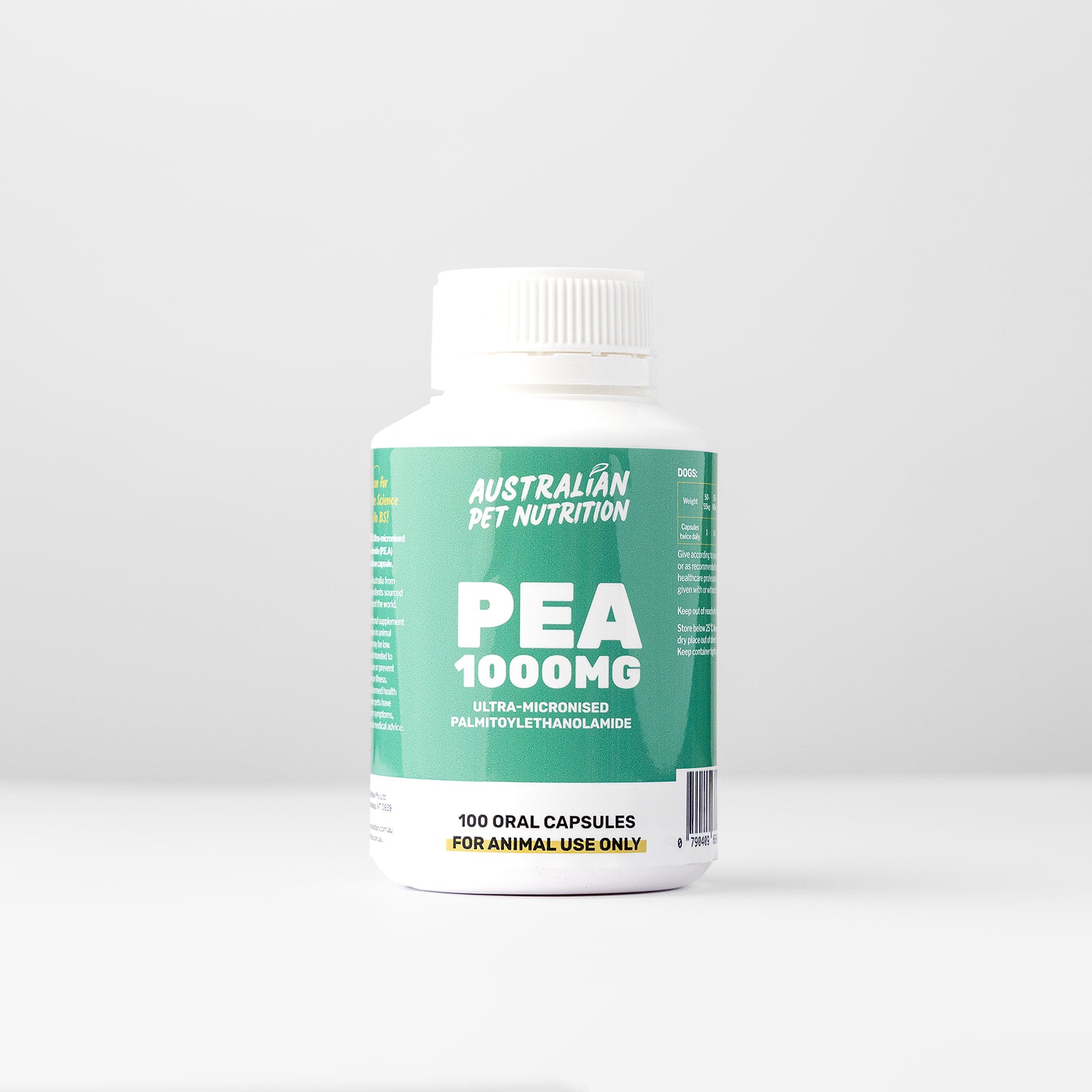
• PEA (Palmitoylethanolamide) – researched for inflammation and nerve support
Boswellia – a natural anti-inflammatory that supports joint comfort and mobility
• Omega-3 fatty acids (EPA/DHA) – widely studied for joint inflammation
• Collagen (e.g. UC-II) – supports cartilage health
• Green-lipped mussel – marine-based joint support
• Curcumin – anti-inflammatory support when properly formulated
• Deer velvet – traditionally used, with emerging research in joint health
Lifestyle factors also play a major role:
• Weight management
• Appropriate exercise
• Physiotherapy or hydrotherapy
• Home environment adjustments
Why a multi-faceted approach often works best
Arthritis is a complex, long-term condition.
In many cases, the most sustainable outcomes come from:
• Combining therapies
• Supporting the whole body
• Adjusting treatment over time
This approach may help:
• Reduce reliance on stronger medications
• Minimise side effect risks
• Support long-term mobility and quality of life
A note for dog guardians
Librela / Beransa is a treatment that may benefit some dogs, but like all medications, it comes with potential risks and uncertainties that are still being understood.
The most important thing is that pet guardians are:
• Fully informed
• Comfortable asking questions
• Supported in exploring all appropriate options
Further reading and community discussions
For those who would like to explore this topic further, here are some publicly available resources and community discussions where pet owners and media have shared a range of perspectives:
• ABC News coverage:
https://www.abc.net.au/news/2025-04-23/pet-owners-speak-out-about-drug-beransa/105128714
• The Project video discussion:
https://www.youtube.com/watch?v=WN7q2Qx4Nx0
• Pet guardian community group:
https://www.facebook.com/groups/949999742415867
• Additional discussion group:
https://www.facebook.com/groups/1952044462362260/
Disclaimer
This article is for educational purposes only and is not intended to replace veterinary advice. Always consult your veterinarian before making decisions about your pet’s treatment.